

WHAT IS PRO-KASIH?
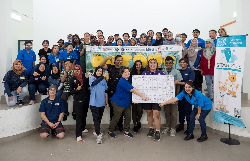
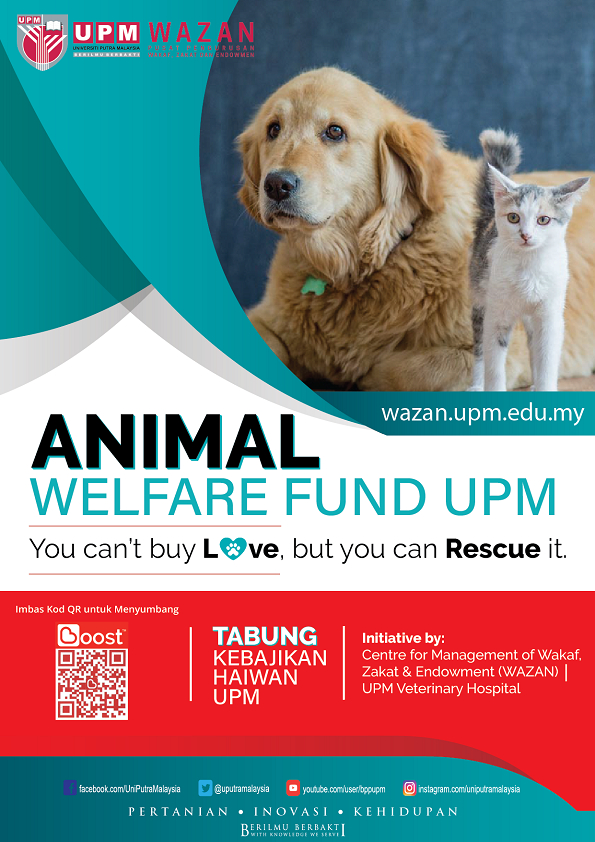
The PRO-KASIH programme was initiated by veterinary students with the goals of improving the welfare of free-roaming/stray cats and dogs. This programme started off on a small scale by focusing on the strays within the university but hopes to expand in future to include more areas in the vicinity.
WHO IS INVOLVED?
The veterinary students and veterinary student clubs (VETERNAK and Zoologico Club), with supervision from Faculty staff as well as assistance from the UPM veterinary alumni.
WHAT IS THE PLAN?
The programme comprises a three-pronged plan, which will be executed by the concerted efforts of students, staff of the Faculty and the Veterinary Alumni.
The First Prong
The students will play an active role in creating awareness/educating/informing the public on how they can help in keeping the population of the strays in check and improving the welfare of those in their community. This is done through talks, questionnaires, and information booths set up at exhibitions.
The Second Prong
To help keep the population in check, there is a need to know the existing number of strays so that effective measures can be taken in order to reduce the population. The students play a role in conducting surveys on the strays such as collecting information on numbers, their condition, where they are in larger numbers, what time of the day are they visible. Such information from repeated and timely surveys will be needed to effectively monitor the success of the program.
The Third Prong
The sterilization of strays by professionals under a ‘catch-neuter and release when they are deemed well' programme, will help in reducing their numbers in the future. The catch-neuter-release programme aims to reduce the number of strays suffering in the streets by neutering existing strays and releasing them. With the help of the community, these animals will be able to live out their natural lives.
However, when it comes to sterilization programmes, realistically, the number of surgical sterilizations required to have an impact on the population is far greater than what can be achieved for now, due to the sheer numbers or strays we have and the propensity for strays to reproduce.
However, with the increased awareness of the public as to how they can play a more responsible role in ensuring that their own pets are well cared for and indiscriminate or careless accidental breeding doesn't occur as having their own pets sterilized; hence, it will be easier.
Aims of neutering strays are to:
1. Reduce the number of stray animals by preventing more breeding
2. Prevent re-colonisation by other unneutered strays because returning these strays (after neutering) to their original environment will place a population pressure that prevents new strays from coming into the area
3. Reduce the stress of unwanted pregnancies and reduce transmission of diseases as these animals will not only be neutered but will also be vaccinated.
4. Indirectly reduce the nuisance caused by strays